Steady in Seconds: Engaging Your Senses to Calm the Storm

Welcome to an uplifting guide devoted to Sensory Grounding Techniques for Rapid Mood Regulation, showing how sight, sound, touch, taste, smell, and movement can redirect stress within seconds. You will learn practical steps, science-backed explanations, and real-life stories that prove steadiness is trainable. Keep this page handy for quick resets during meetings, commutes, or late nights, and leave with simple rituals that turn overwhelm into clarity before the next breath finishes.

Why Senses Settle Stormy Minds

Your senses are hardwired interrupt switches. When attention lands on color, texture, temperature, or rhythm, the brain’s orienting response crowds out threat loops, giving prefrontal functions room to steer. Slow exhalation stretches vagal tone, heart rate settles, and emotions become movable again. We translate this neurobiology into immediate steps you can apply mid-call, mid-queue, or mid-sprint between responsibilities.

Visual Anchor, Fast Relief

Choose a nearby object and study edges, shadows, reflections, and three unexpected details you had missed. Name five colors in the room, then trace a rectangle with your eyes while breathing out slightly longer than you breathe in. Labeling features reduces mental noise and steadies runaway stories.

Breath Meets Touch

Press thumb to fingertip and slowly trace each finger while exhaling for six or more counts. Feel skin ridges, warmth, and gentle pressure. Add box breathing by pausing at the corners of your hand. The tactile map keeps attention anchored as physiology follows the paced rhythm.

Cold Water Reset

Brief cold can flip a powerful reflex. Splash cool water on cheeks, hold an ice cube wrapped in cloth, or sip chilled water while lengthening the exhale. The mammalian dive response nudges the heart to slow. Avoid extremes, especially with cardiovascular concerns, and choose comfortable intensity.

Classic Walkthrough

Stand, soften your knees, and name five visible specifics like patterns, angles, or contrasts. Touch four surfaces, noticing weight or temperature. Identify three sounds near and far. Bring two scents closer, even fabric or soap. Finish with one taste, such as water. End with a slow, generous exhale.

Ten-Second Micro Version

When time is razor thin, pick one striking color, two tactile points on clothing, and a single sound. Exhale longer than you inhale, then drop your shoulders. This compact sequence interrupts spirals without fanfare, perfect for elevators, ringing phones, and moments when privacy is limited.

Reflect and Record

After any round, note what shifted. Did your jaw unclench, or thoughts slow by a notch. Write a fifteen-second line in your notes app, tagging place and tool used. Patterns appear quickly, guiding which sensory anchors work best for meetings, travel, or bedtime resets.

Texture Ladder in Your Pocket

Gather three small items with different grains, like denim, satin, and ridged rubber. Start with the softest, describing sensations, then step up intensity as needed. The ladder concept respects fluctuating arousal, letting you choose the smallest effective nudge rather than overpowering the system when already flooded.

Weighted Calm Without the Blanket

Simulate comforting pressure by crossing forearms and squeezing triceps, looping a scarf snugly across shoulders, or carrying a compact sand-filled hand exerciser. Gentle pressure cues safety to the body. Combine with a six count exhale to amplify the settling effect during commutes, waiting rooms, or hallways.

Sound, Voice, and the Quieting Nervous System
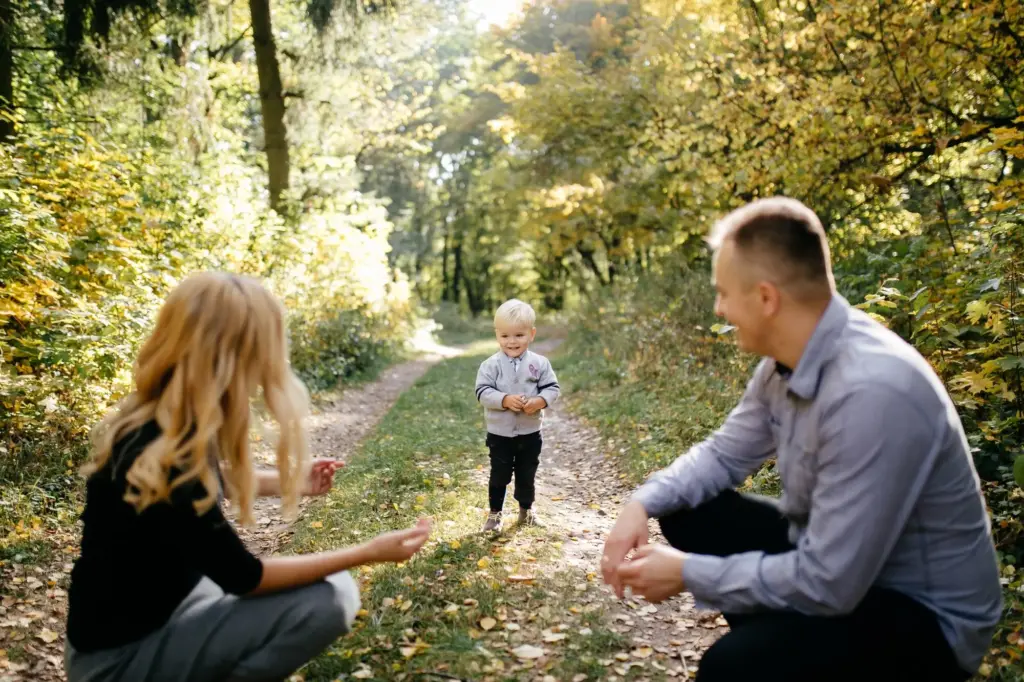
Sound shapes attention and breath at the same time. Scanning layers of audio, humming at comfortable pitches, or speaking reassurance aloud can lengthen exhalation, increase heart rate variability, and soften startle responses. With simple exercises, you can calm on crowded trains, busy offices, or echoing kitchens, no headphones required and no disruption to others.

Scent and Taste That Cut Through Noise

Scent and taste pierce through mental fog with surprising speed. Bright citrus, grounding wood, peppermint, herbal tea, or a tart candy can interrupt ruminations and invite full, satisfying breaths. We balance enjoyment with intention, using small, safe doses that refresh senses, respect context, and support steadier choices during difficult conversations or solitary nights.

Citrus Wake Up Ritual

Keep a small vial of orange or lemon zest oil, or simply peel a clementine slowly. Inhale near the wrist while exhaling longer. The crisp smell pairs beautifully with visual focus on segments and membranes, creating a multisensory moment that lifts heaviness without caffeine.

Peppermint for Clearer Focus

A mint or peppermint tea can sharpen attention while cooling mouth and throat. Breathe steadily as flavor expands, then swallow deliberately to mark a reset. Athletes often use peppermint to reduce perceived effort; you can borrow that effect to reenter tasks feeling refreshed.

Sour Spark to Interrupt Spirals

A small sour candy delivers a jolt that redirects looping thoughts. Let saliva gather, notice facial muscles engage, and ride the sensation with a long, patient exhale. This playful intervention works best when kept occasional, preserving its novelty for genuinely tough spikes.


Move, Press, Orient: Grounding Through the Body

Movement informs the brain about safety faster than analysis. Pressing against a wall, feeling feet roll from heel to toe, or tapping alternating shoulders reorients attention and metabolizes adrenaline. These moves are silent, discreet, and compatible with everyday clothing, allowing regulation to happen right where life is actually happening.

Make It Stick: Routines, Kits, and Community

Build a Pocket Grounding Kit

Combine a textured token, a calming scent, a mint, and a compact checklist card. Keep duplicates in bag, desk, and car. Knowing tools are ready lowers anticipatory anxiety, meaning you may need them less because your system already believes relief is available.

Stack Habits for Reliable Use

Combine a textured token, a calming scent, a mint, and a compact checklist card. Keep duplicates in bag, desk, and car. Knowing tools are ready lowers anticipatory anxiety, meaning you may need them less because your system already believes relief is available.

Share Wins and Ask for Help

Combine a textured token, a calming scent, a mint, and a compact checklist card. Keep duplicates in bag, desk, and car. Knowing tools are ready lowers anticipatory anxiety, meaning you may need them less because your system already believes relief is available.

Zentorinotelivexolivo
Privacy Overview

This website uses cookies so that we can provide you with the best user experience possible. Cookie information is stored in your browser and performs functions such as recognising you when you return to our website and helping our team to understand which sections of the website you find most interesting and useful.